Πρακτικοί οδηγοί για οικογένεια, δουλειά και καθημερινότητα

Κατηγορία: Οικογένεια

  • Sporades Yacht Charter with Kids: A Family Planning Guide

    Sporades Yacht Charter with Kids: A Family Planning Guide

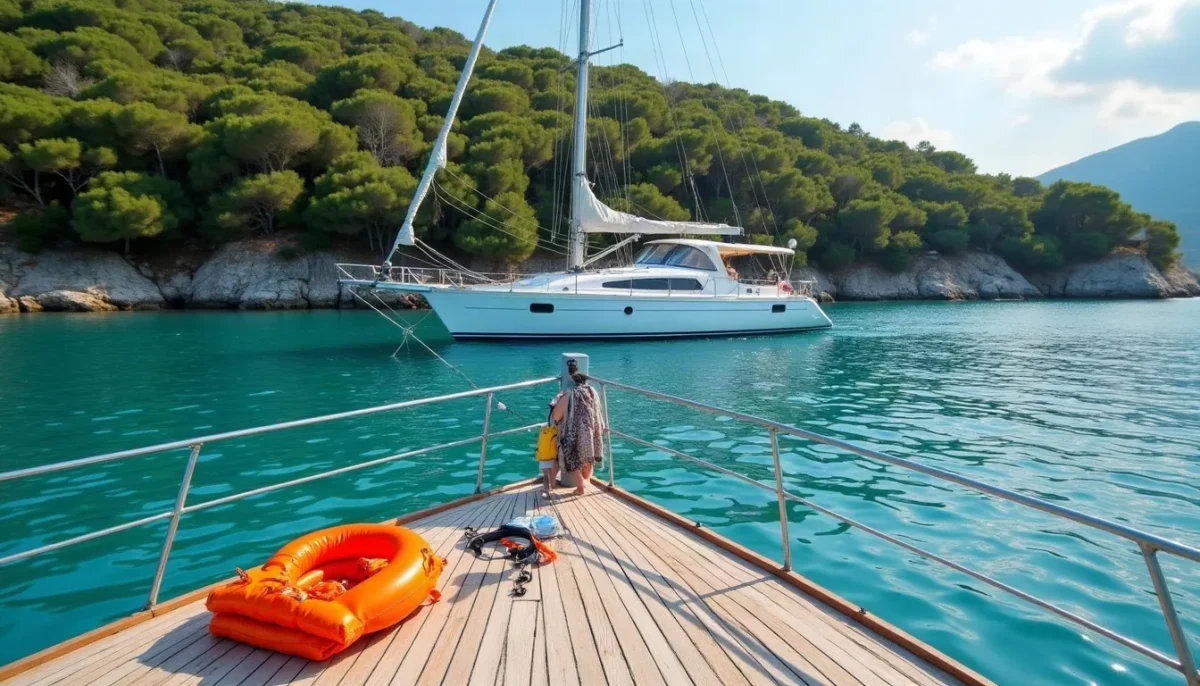
    A week on a yacht can be the most relaxed family holiday you take, or the most tiring, and much depends on where you sail. The Sporades, the green island group facing the Pelion coast in the Aegean, give families a gentler start than many Greek sailing areas: the islands sit close together, pine forest runs down to the water and quiet bays are never far away. Here is how to plan a week there with children on board.

    Why the Sporades suit a first family charter

    Each of the main islands has its own character. Skiathos is the busiest, with a lively town, more than 60 beaches including Koukounaries, and an airport that receives international flights in summer. Skopelos, a filming location for Mamma Mia!, has pine-covered hills, a traditional old town, quiet bays and the chapel of Agios Ioannis perched on a steep rock. Alonissos is the quiet one and the gateway to the National Marine Park. Skyros is the southernmost island of the group.

    For parents, two things matter most. Sailing distances between the islands are short, so most passages fit comfortably into a morning. And the Sporades are generally less exposed to the strong summer meltemi wind than the Cyclades, with a moderate breeze common on summer afternoons. Still, the forecast and the skipper always have the final word.

    Plan short legs and long swim stops

    A simple rule works well with children: one short passage a day, ideally finished before lunch, then a long swim stop and an unhurried arrival in port or a sheltered bay.

    A sample seven-day loop for a Sporades yacht charter shows that rhythm clearly:

    • Day 1: Skiathos to Koukounaries or the islet of Tsougria for a first swim
    • Day 2: across to Panormos, a pine-fringed bay on Skopelos
    • Day 3: Skopelos town and its harbour
    • Day 4: Steni Vala on Alonissos, in the marine park area
    • Day 5: quiet anchorages around Peristera
    • Day 6: back west to Glossa on Skopelos
    • Day 7: return to Skiathos

    Treat it as an outline, not a timetable: the weather and the children’s energy decide how far you go, and a spare day for a favourite beach is often worth more than an extra island.

    Life jackets and simple rules on deck

    Paediatric safety guidance is clear that children should wear a life jacket at all times on a boat or near the water. In practice:

    • Choose each jacket by the weight range on its label and check that it fits snugly, with every strap fastened.
    • Let children practise putting their own jacket on at the dock, so it feels familiar before the first passage.
    • Inflatable armbands, rings, toys and air mattresses are not life jackets and should never replace one.
    • Adults wearing a jacket protect themselves and set the example children follow.

    No piece of equipment replaces supervision. Agree before each manoeuvre who is watching the children, especially while anchoring, mooring or getting in and out of the dinghy.

    Sun, heat and sea water

    The Sporades sailing season runs from May to October. On a boat, water washes sunscreen off and reflects UV rays, so the usual habits need to be stricter:

    • Use a sunscreen of at least SPF 30 with high UVA protection on exposed skin, especially the face, ears, feet and backs of the hands.
    • Reapply straight after every swim, even if the product is water-resistant, and roughly every two hours.
    • Keep babies under six months out of direct sunlight altogether.
    • Cover children up and keep them in the shade around the middle of the day, roughly 11am to 3pm, and plan swims and dinghy trips for the morning and late afternoon.

    Meeting the marine park with children

    Much of a typical route passes through or near the National Marine Park of Alonissos and the Northern Sporades. Established in 1992, it was the first marine park in Greece and is described as the largest in Europe, covering more than 2,200 square kilometres. Alongside Alonissos it includes six uninhabited islands, among them Peristera, Kyra Panagia, Gioura and Piperi. Piperi is fully protected and closed to visitors, and some other zones restrict access and anchoring, so confirm the current rules with your skipper or charter base before setting a course.

    Dolphins sometimes follow boats, loggerhead turtles and seabirds live here, and the park was created to protect the Mediterranean monk seal, a critically endangered species. Sightings are possible but rare, and the rules are simple to explain:

    • On a beach, stay at least 30 metres away, keep children and pets back, stay quiet and never throw anything at the animal or feed it.
    • In the water, stay calm, move slowly and do not approach.
    • In a sea cave, do not swim further in, as a mother and pup may be resting inside; leave slowly along the walls without blocking the exit.
    • If a seal looks injured, report it to the nearest Port Police or to the 24-hour monk seal hotline on +30 210 5222888.

    Choosing a base and booking ahead

    Sporades charters usually start from Skiathos or from Volos on the mainland. Skiathos has an airport with international flights in summer, while Volos sits on the Pelion coast opposite the islands. Charters can be bareboat, if someone on board holds the required licence, skippered, crewed or booked by the cabin on a shared yacht.

    For July and August, booking several months ahead is advised. When you enquire, share your dates, group size, preferred charter type and the stops you do not want to miss, and it helps to mention the children’s ages too. Before departure you will also be asked for the crew list that Greek port authorities require.

    A calm week, planned in advance

    The Sporades reward families who keep things simple: short hops, long swims, shade at midday and respect for the wildlife. Settle those basics before you leave and the week becomes what it should be, time together on clear water among green islands.

    Sources

  • Family Villa Holiday in Chania: What to Arrange Before You Arrive

    Family Villa Holiday in Chania: What to Arrange Before You Arrive

    A family villa holiday in Chania sounds simple until you list everything that has to happen before the first swim. Flights land, children get tired, someone needs milk for the morning, and the day trips you dreamed about need booking. Planning a few key details in advance turns the first days from logistics into an actual holiday.

    Getting There: Airport, Port and Transfers

    Most families arrive by air. According to Visit Chania, Chania International Airport “Ioannis Daskaloyannis” (IATA code CHQ) sits about 14 km from the city, and the flight from Athens takes roughly 40 to 45 minutes. In summer, the number of flights rises sharply, with direct connections from various European cities. From the airport, the official options are the KTEL interurban bus or a taxi.

    If you travel by sea, Souda port lies around 6 km from the city and has daily ferries to and from Piraeus, reachable by blue urban buses or taxi. With children, luggage and car seats, a pre-arranged transfer straight to the villa is usually far less stressful than queuing for a bus or a taxi after a long journey. Decide this before you fly, and share flight numbers with whoever is collecting you.

    Groceries and the First Evening

    The first night is when families feel the lack of planning most. Arriving late with hungry children and an empty fridge is a common holiday mistake. Make a short list before departure: breakfast basics, drinks, snacks, nappies or baby food if needed, sunscreen and anything a child cannot sleep without.

    Crete is known for its food culture. Condé Nast Traveller quotes Cretan chef Marianna Leivaditaki saying that what matters most is “to know exactly where your ingredients come from”. That is worth remembering once you settle in: local produce and simple meals at the villa can be part of the experience, not just a way to save time.

    Childcare, Health and Practical Safety

    If you want an evening out without the children, childcare needs to be arranged ahead, especially in high season. Discuss ages, routines and languages with whoever organises it for you.

    It also helps to save the essential numbers before you arrive. Visit Chania lists Police on 100, Ambulance on 166, Fire Brigade on 199 and the Chania Tourist Police on 28210-73333. The city’s main hospital is Chania General Hospital “St. George”, a 450-bed facility in the village of Mournies on the outskirts of the city, where many doctors have trained abroad and speak foreign languages. Keep these details on your phone and on paper at the villa.

    Day Trips Worth Booking Early

    Chania suits families who like variety. The Technical University of Crete describes the old town as built around the Venetian port, with maze-like alleys, Venetian mansions, fountains and churches. It is a good half-day outing, ideally in the cooler morning or evening.

    Further afield, Condé Nast Traveller mentions Balos, a lagoon about 35 miles outside Chania, and describes how quickly the landscape changes from empty bays to mountain villages. On the south coast, Visit Chania notes that ships from Sfakia reach places such as Loutro, Paleochora, Sougia and Agia Roumeli. These trips involve winding roads or boat schedules, so book boats and plan driving times in advance, and allow for rest stops with younger children.

    How a Villa Concierge Takes Tasks Off Your Hands

    Transfers, shopping, childcare and excursions add up to a lot of phone calls. This is where indulging concierge villa services in Chania can make a real difference for families. Truman Collection offers three concierge levels for guests at its villas in and around Chania, from Akrotiri and Pithari to Pazinos and Saint Marina: 5 Star, 6 Star and 7 Star, or a package designed around your needs.

    According to the company, the 5 Star level includes destination guidance and a bespoke itinerary with personalised bookings, managed throughout the day, plus the option to modify the itinerary once for confirmed bookings during your stay. The 6 Star level builds on this with bookings and arrangements available around the clock and a dedicated concierge expert on call 24/7, both remotely and on site at selected venues. The team also says it specialises in last-minute requests, which is useful when a child’s mood or the weather changes your plans.

    A Simple Pre-Arrival Checklist

    • Transfers: airport or port pickup booked, with child seats confirmed.
    • Groceries: a first-night list sent ahead or a plan to shop on arrival.
    • Childcare: dates and times agreed for any evenings out.
    • Day trips: boat trips and longer drives planned with realistic timings.
    • Emergency info: local numbers and hospital location saved.

    A little preparation lets the villa do what it does best: give the whole family space to slow down. Settle the logistics early, whether yourself or through a concierge, and the days in Chania can be spent on beaches, harbour walks and long Cretan meals instead of planning.

    Sources

    • Visit Chania, Useful Info – Visit Chania. https://visitchania.gr/en/useful-info/
    • Condé Nast Traveller, Insider guide to Chania, Greece: hotels, restaurants and things to do. https://www.cntraveller.com/gallery/things-to-do-chania-crete
    • Technical University of Crete, About Chania and Crete. https://www.sampleprep2018.tuc.gr/en/travel-stay/about-chania-and-crete
  • Μπουζί και δύσκολη εκκίνηση: τα σημάδια που δεν πρέπει να αγνοείς

    Μπουζί και δύσκολη εκκίνηση: τα σημάδια που δεν πρέπει να αγνοείς

    Το πρωί γυρίζεις το κλειδί και η μηχανή αργεί να πάρει μπρος. Στο φανάρι νιώθεις ένα ελαφρύ τρέμουλο, και στο βενζινάδικο πηγαίνεις πιο συχνά από ό,τι παλιά. Για τον οδηγό ενός οικογενειακού αυτοκινήτου, αυτά τα μικρά σημάδια συχνά περνούν απαρατήρητα. Πολλές φορές όμως οδηγούν σε ένα μικρό εξάρτημα του κινητήρα, το μπουζί. Σε αυτόν τον οδηγό θα δεις πώς δουλεύει στην ανάφλεξη και ποια συμπτώματα δείχνουν ότι χρειάζεται έλεγχο.

    Πώς δουλεύει το μπουζί στην ανάφλεξη

    Σύμφωνα με την NGK SPARK PLUG, τα μπουζί είναι απαραίτητα για κάθε βενζινοκινητήρα. Αναφλέγουν το μίγμα αέρα-καυσίμου μέσα στον θάλαμο καύσης, δημιουργείται καύση και αυτή ωθεί τα έμβολα προς τα κάτω, δίνοντας τελικά δύναμη στο αυτοκίνητο. Η βασική αρχή σχεδιασμού, όπως σημειώνει ο κατασκευαστής, δεν έχει αλλάξει από τη δεκαετία του 1930: το μπουζί εξακολουθεί να είναι βιδωτό εξάρτημα.

    Η υψηλή τάση φτάνει στο μπουζί μέσω του μπουζοκαλωδίου ή του πολλαπλασιαστή τύπου μολυβιού, που συνδέεται στον ακροδέκτη. Από εκεί μεταφέρεται στο άκρο σπινθηρισμού, όπου ο σπινθήρας περνά ανάμεσα στα ηλεκτρόδια. Κάθε φορά που αυτό συμβαίνει σωστά, ο κύλινδρος δουλεύει ομαλά. Όταν δεν συμβαίνει, το καταλαβαίνεις στην οδήγηση.

    Από τι αποτελείται ένα σύγχρονο μπουζί

    Η NGK περιγράφει ότι ένα μπουζί αποτελείται από σπείρωμα, μεταλλικό κέλυφος, ηλεκτρόδια και κεραμικό μονωτικό. Μερικά σημεία που αξίζει να ξέρεις:

    • Ακροδέκτης: το σημείο όπου συνδέεται το καλώδιο υψηλής τάσης ή ο πολλαπλασιαστής.
    • Κεραμικός μονωτήρας: στα περισσότερα σημερινά μπουζί είναι από οξείδιο του αργιλίου, με καλή θερμική αγωγιμότητα, μόνωση και αντοχή σε θερμικό και μηχανικό σοκ.
    • Αντίσταση: μια κεραμική αντίσταση στο εσωτερικό περιορίζει τις ηλεκτρομαγνητικές παρεμβολές, ώστε να λειτουργούν απρόσκοπτα τα ηλεκτρονικά του οχήματος.

    Ο κατασκευαστής αναφέρει επίσης ότι τα σημερινά μπουζί αντέχουν πολύ υψηλότερες τάσεις, πιέσεις και θερμοκρασίες σε σχέση με το παρελθόν. Αυτό εξηγεί γιατί η σωστή επιλογή τύπου για το συγκεκριμένο αυτοκίνητο έχει σημασία.

    Δύσκολη εκκίνηση: όταν δεν φταίει μόνο η μπαταρία

    Όταν το αυτοκίνητο δυσκολεύεται να πάρει μπρος, η πρώτη σκέψη είναι συνήθως η μπαταρία ή το άδειο ρεζερβουάρ. Η Champion Auto Parts επισημαίνει ότι η αιτία μπορεί να είναι και τα φθαρμένα μπουζί: αν δεν παράγουν τον σπινθήρα που ξεκινά την καύση, ο κινητήρας απλώς δεν θα ξεκινήσει. Αν λοιπόν η μπαταρία είναι σε καλή κατάσταση και το πρόβλημα επιμένει, αξίζει να ελεγχθεί η ανάφλεξη.

    Αν θέλεις να δεις αναλυτικά τι είναι το μπουζί, από τα μέρη του μέχρι τα διαστήματα αλλαγής ανά υλικό, υπάρχει πλήρης οδηγός με συμπτώματα και διαγνωστικά.

    Ρετάρισμα, τράνταγμα και ρελαντί που τρέμει

    Κατά την Champion, ένας κινητήρας που διστάζει ή ρετάρει αντί να δουλεύει ομαλά μπορεί να έχει ελαττωματικά μπουζί, γιατί ακόμη και στιγμιαία διακοπή της καύσης επηρεάζει την απόδοση. Ένα βρώμικο μπουζί κάνει επίσης το ρελαντί να ακούγεται τραχύ, και μπορεί να νιώσεις κραδασμούς στο αυτοκίνητο.

    Ο βρετανικός οργανισμός The AA περιγράφει το ρετάρισμα ως την κατάσταση όπου ένας ή περισσότεροι κύλινδροι δεν αναφλέγονται όπως πρέπει. Τα σημάδια που αναφέρει είναι:

    • ασταθές ρελαντί
    • νωθρή επιτάχυνση
    • απρόσμενο σβήσιμο του κινητήρα
    • αναμμένη ένδειξη ελέγχου κινητήρα
    • ασυνήθιστος καπνός από την εξάτμιση

    Ο ίδιος οργανισμός τονίζει ότι το ρετάρισμα δεν οφείλεται μόνο στα μπουζί. Μπορεί να προέρχεται από πολλαπλασιαστές, μπεκ, προβλήματα στο μείγμα αέρα-καυσίμου ή μηχανικές φθορές. Γι’ αυτό η σωστή διάγνωση είναι απαραίτητη.

    Αυξημένη κατανάλωση και απώλεια ισχύος

    Αν παρατηρείς ότι γεμίζεις πιο συχνά το ρεζερβουάρ με την ίδια χρήση, η Champion σημειώνει ότι μια απότομη πτώση της οικονομίας καυσίμου μπορεί να σχετίζεται με βρώμικα ή φθαρμένα μπουζί. Το ίδιο ισχύει όταν το αυτοκίνητο έχει χάσει τη ζωντάνια του: ένα μπουζί που δεν δίνει αποτελεσματικό σπινθήρα κάνει την επιτάχυνση πιο νωθρή. Σε ένα οικογενειακό αυτοκίνητο, που συχνά κουβαλά φορτίο και επιβάτες, αυτό γίνεται πιο εύκολα αισθητό στις ανηφόρες και στις προσπεράσεις.

    Τι κάνεις όταν δεις τα σημάδια

    Ο AA προτείνει μερικούς αρχικούς ελέγχους: άκουσε για ασυνήθιστους θορύβους ή κραδασμούς, έλεγξε μπουζί και πολλαπλασιαστές για φθορά και βεβαιώσου ότι τα μπεκ και τα φίλτρα είναι καθαρά. Για ακριβή αιτία, ο μηχανικός με διαγνωστικό εξοπλισμό μπορεί να εντοπίσει τι ακριβώς προκαλεί το πρόβλημα.

    Η Champion προσθέτει ότι τα περισσότερα προβλήματα από φθαρμένα μπουζί διορθώνονται σχετικά εύκολα. Αν όμως συνεχίσεις να οδηγείς με βρώμικα μπουζί, μπορεί να καταλήξεις σε σοβαρότερες και πιο ακριβές βλάβες.

    Συμπερασματικά, η δύσκολη εκκίνηση, το τρεμάμενο ρελαντί και η αυξημένη κατανάλωση δεν είναι απλές ενοχλήσεις. Είναι πληροφορίες που σου δίνει ο κινητήρας. Ένας έγκαιρος έλεγχος της ανάφλεξης κρατά το αυτοκίνητο αξιόπιστο για τις καθημερινές διαδρομές της οικογένειας.

    Πηγές

    • NGK SPARK PLUG (Niterra), Μπουζί. https://www.ngkntk.com/gr/newsroom/feature/dach-14/i-apodomisi-toy-mpoyzi-ola-ta-simantika-stoicheia-poy-eggyontai-omali-anaflexi/
    • Champion Auto Parts, Symptoms Of Bad Spark Plugs. https://www.championautoparts.com/Parts-Matter/automotive-repair-and-maintenance/fouled-spark-plugs.html
    • The AA, What happens when an engine misfires?. https://www.theaa.com/breakdown-cover/advice/engine-misfire
  • Παιδικά πέδιλα για θάλασσα και βόλτα: τι μετράει στην εφαρμογή

    Παιδικά πέδιλα για θάλασσα και βόλτα: τι μετράει στην εφαρμογή

    Τα πέδιλα είναι το παπούτσι που ένα μικρό παιδί φοράει περισσότερες ώρες μέσα στο καλοκαίρι: στην παιδική χαρά, στη βόλτα, στην παραλία, συχνά και μέσα στο νερό. Επειδή αφήνουν το πόδι ανοιχτό, πολλοί γονείς τα διαλέγουν πιο χαλαρά από ένα κλειστό παπούτσι. Οι οδηγίες των ποδολόγων για τα παιδικά παπούτσια όμως ισχύουν και εδώ, και μάλιστα είναι αρκετά συγκεκριμένες.

    Τρία πράγματα που ζητάμε από κάθε παιδικό παπούτσι

    Η υπηρεσία Move Better Gwent του NHS Ουαλίας συνοψίζει τα βασικά σε τρεις λέξεις: το παιδικό παπούτσι πρέπει να εφαρμόζει καλά, να προστατεύει και να στερεώνεται με ασφάλεια στο πόδι. Το Royal College of Podiatry προσθέτει ότι ένα καλό παιδικό παπούτσι αφήνει χώρο στο πόδι να μεγαλώσει, δεν πιέζει τα δάχτυλα, έχει ρυθμιζόμενο κλείσιμο, εύκαμπτη σόλα και επιτρέπει στο πόδι να αναπνέει. Τονίζει επίσης ότι το σωστό φάρδος είναι εξίσου σημαντικό με το μήκος.

    Σε ένα πέδιλο αυτά μεταφράζονται απλά: λουράκια που ρυθμίζονται, σόλα που λυγίζει με το βήμα και αρκετός χώρος μπροστά από τα δάχτυλα.

    Πόσο χώρο αφήνουμε μπροστά

    Το Dorset HealthCare του NHS δίνει έναν πρακτικό κανόνα: ανάμεσα στο μακρύτερο δάχτυλο και στην άκρη του παπουτσιού χρειάζεται χώρος περίπου όσο το πλάτος ενός αντίχειρα. Η υπηρεσία της Ουαλίας μιλά για πλάτος μικρού δαχτύλου στα μικρά παιδιά. Και στις δύο περιπτώσεις το νόημα είναι το ίδιο: λίγος χώρος για ανάπτυξη, όχι ένα νούμερο μεγαλύτερο «για να το προλάβει».

    Στο πέδιλο ο έλεγχος είναι εύκολος, γιατί το πόδι φαίνεται. Βάλτε το παιδί να σταθεί όρθιο και κοιτάξτε:

    • αν τα δάχτυλα φτάνουν ή ξεπερνούν το μπροστινό χείλος της σόλας,
    • αν η φτέρνα κάθεται μέσα στο πέλμα και όχι πάνω στην άκρη του,
    • αν το πόδι ξεχειλίζει στα πλάγια, σημάδι ότι το φάρδος δεν ταιριάζει.

    Γιατί μετράει το κλείσιμο με velcro

    Σύμφωνα με το Dorset HealthCare, ένα κλείσιμο με κορδόνια, αγκράφα ή λουράκι velcro κρατά το πόδι στη θέση του. Χωρίς αυτό το πόδι γλιστρά προς τα εμπρός, τα δάχτυλα στριμώχνονται και η φτέρνα βγαίνει. Η υπηρεσία της Ουαλίας εξηγεί τι συμβαίνει με τα παπούτσια που απλώς φοριούνται χωρίς δέσιμο: το παιδί γαντζώνει τα δάχτυλα για να τα κρατήσει στο πόδι.

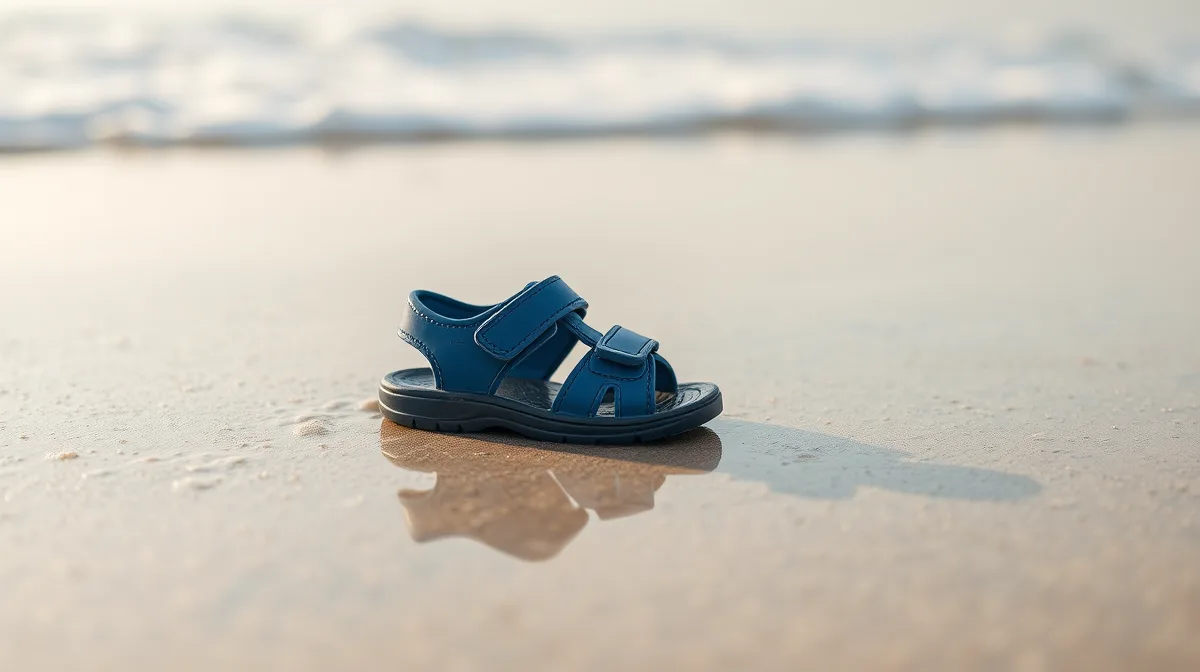
    Γι’ αυτό σε ένα πέδιλο για μικρό παιδί έχει αξία να υπάρχουν δύο σημεία ρύθμισης και όχι ένα. Ένα παράδειγμα είναι τα παιδικά πέδιλα Adidas Atlaswim στα νούμερα 19-27, που διαθέτει το Pitsiriki: όπως αναφέρει η σελίδα του προϊόντος, έχουν διπλό ρυθμιζόμενο κλείσιμο με velcro, ανατομικό πέλμα, μαλακό και εύκαμπτο υλικό και αντιολισθητική σόλα, και προορίζονται τόσο για καθημερινή χρήση όσο και για το νερό.

    Πέδιλο ή σαγιονάρα;

    Δεν είναι το ίδιο πράγμα. Το Dorset HealthCare συστήνει να διαλέγουμε παπούτσι ανάλογα με τη δραστηριότητα και σημειώνει ότι οι σαγιονάρες, όπως και οι γαλότσες, κάνουν για την παραλία και τις λακκούβες, όχι για μεγάλες διαδρομές με τα πόδια. Η υπηρεσία της Ουαλίας προτείνει επίσης να αποφεύγονται οι πολύ λεπτές σόλες, από τις οποίες μπορεί να περάσει κάτι αιχμηρό.

    Στην πράξη, ένα πέδιλο με λουράκια και σόλα που πατά σταθερά καλύπτει τη διαδρομή μέχρι την παραλία, το παιχνίδι στα βράχια και το μπάνιο. Η σαγιονάρα μένει για την πετσέτα και το ντους.

    Κάθε πότε ξαναμετράμε

    Τα παιδικά πόδια αλλάζουν γρήγορα, οπότε το πέδιλο του Ιουνίου μπορεί να μην κάνει τον Αύγουστο. Το Dorset HealthCare προτείνει έλεγχο:

    • κάθε 4-6 εβδομάδες έως 3 ετών,
    • κάθε 6-8 εβδομάδες από 3 έως 4 ετών,
    • κάθε 12 εβδομάδες από 4 ετών και πάνω.

    Παρόμοια είναι και τα διαστήματα του Royal College of Podiatry: κάθε έξι με οκτώ εβδομάδες στα νήπια και κάθε δύο με τρεις μήνες στα μεγαλύτερα παιδιά. Για ένα παιδί δύο ετών αυτό σημαίνει τουλάχιστον έναν έλεγχο μέσα στο καλοκαίρι.

    Οι πρώτες μέρες με καινούργιο ζευγάρι

    Η υπηρεσία της Ουαλίας συμβουλεύει ο χρόνος χρήσης ενός καινούργιου παπουτσιού να αυξάνεται σταδιακά, κατά 30-60 λεπτά τη φορά, και να ελέγχετε το πόδι για φουσκάλες, τριβή ή έντονη κοκκινίλα. Στα πέδιλα τα σημεία που θέλουν ματιά είναι εκεί όπου ακουμπούν τα λουράκια και πίσω στη φτέρνα. Αν το παιδί φορά κάλτσα με το πέδιλο, το Dorset HealthCare θυμίζει ότι και η κάλτσα πρέπει να είναι στο σωστό μέγεθος: η μεγάλη μαζεύει και πιέζει, η μικρή σφίγγει.

    Ένα καλό παιδικό πέδιλο δεν χρειάζεται πολλά: χώρο μπροστά, λουράκια που ρυθμίζονται και σόλα που κρατά. Τα υπόλοιπα, χρώμα και σχέδιο, μπορεί να τα διαλέξει το ίδιο το παιδί.

    Πηγές

    • Royal College of Podiatry, Your children and their feet. https://rcpod.org.uk/blog/your-children-and-their-feet
    • Dorset HealthCare University NHS Foundation Trust, Footwear advice for children. https://www.dorsethealthcare.nhs.uk/our-services-and-sites/physical-health/orthotics-insoles-braces-and-supports/footwear-advice-children
    • Move Better Gwent (NHS Wales), Footwear – Children. https://children.movebettergwent.nhs.wales/self_management/footwear/
  • Island Day Trips from Athens: How to Pick the Right Route

    Island Day Trips from Athens: How to Pick the Right Route

    Athens has a sea on its doorstep. The Saronic Gulf begins a short drive from the city centre, and within an hour or two on the water you can be swimming off an island that feels far removed from the traffic of the capital. The harder part is choosing where to go, because the options differ a lot in distance, character and how they cope with the wind.

    What the Saronic Gulf offers in a single day

    The islands closest to Athens each have their own personality. According to Discover Greece, Aegina is famous for its antiquities and pistachios and is home to the 5th-century BC Temple of Aphaia on a pine-covered hill. Poros is described as the greenest of the Saronic islands, made up of two islands separated by a narrow canal. Hydra, the furthest of the classic trio, is car-free, with 18th-century captains’ houses around its harbour. Smaller islets such as Moni, known for its very clear water, and Agistri add quieter swimming stops.

    On the mainland side, Cape Sounio marks the southern tip of Attica. The Greek Ministry of Culture dates the marble Doric Temple of Poseidon there to around 444-440 BC, built after an earlier temple was destroyed by the Persians before it was finished. Visit Greece notes that the temple was built to honour the god of the sea, on the craggy rocks where the horizon meets the Aegean.

    Distance decides how the day feels

    Every route is a trade-off between time on the move and time at anchor. Discover Greece puts a full Saronic day trip at 9 to 12 hours, and much of the difference comes from how far you travel.

    • Short routes such as Aegina with Moni, or Agistri, leave most of the day for swimming and lunch at anchor.
    • Middle routes such as Cape Sounio or Poros combine a landmark with a couple of bays.
    • Long routes such as Hydra give you the most distinctive island, but more of the day is spent travelling.

    To put numbers on it, Angel Private Yachting, an Athens operator that publishes its routes in detail, lists Aegina and Moni at 16.8 nautical miles from Marina Flisvos in Palaio Faliro and Hydra with Dokos at 36.3 nautical miles, on a day that runs from 08:00 to 18:00. Its comparison of island day trips from Athens sets out the distance and the time to the first anchorage for six routes side by side.

    Let the wind choose the route

    Summer in the Aegean comes with the meltemi, a dry wind from the north to northwest. WeatherOnline describes the meltemi season as running from May to October, with its peak in July and August, and explains that islands and mountain gaps channel the wind into gusty jets. Clear skies often come with it, so a bright, sunny morning can still mean a choppy crossing.

    That is why good skippers settle the route on the morning of the trip rather than weeks ahead. Coastlines that face the wind can be uncomfortable on a blowy day, while bays in the lee of an island stay calm. The same operator’s route notes, for example, say that the east-facing coast around Cape Sounio can be exposed in a strong north wind, while the Aegina and Moni route sits in the lee on those days. Discover Greece puts it simply: all boat trips depend on weather conditions.

    Group cruise or private boat

    The classic option from Athens is the large group cruise that calls at Aegina, Poros and Hydra in one day. Discover Greece puts organised tours at around 50 to 100 euros per person, with private sailboats and catamarans costing more. A group cruise suits travellers who want to see three harbours and do not mind a fixed timetable.

    A private boat changes the rhythm of the day. You choose swim stops over shopping stops, lunch can be served at anchor, and the plan can shift with the wind. If you are weighing a private Athens boat tour against a group cruise, check exactly what the price covers, such as skipper and crew, fuel, lunch, snorkelling gear and insurance, so you compare like with like.

    What to pack for a day on deck

    A day at sea means many hours of strong sun, plus light reflected off the water. The NHS advises sunscreen with at least SPF 30 and 4-star UVA protection, reapplied every two hours and straight after swimming, even when it is labelled water resistant. It also recommends staying in the shade when the sun is strongest and wearing a wide-brimmed hat that shades the face, neck and ears. Discover Greece adds water, swimwear and snacks to the list. A few more items make the day easier:

    • a light long-sleeved top for the ride home
    • soft-soled shoes that grip on a wet deck
    • a dry bag for phones, cameras and documents
    • some cash for a coffee or an ice cream if you go ashore

    When to go

    Ferries to the Saronic islands run all year, but Discover Greece names April to October as the best months, with spring and autumn singled out as particularly special and the bonus of an early or late-summer swim. Private day boats follow a similar calendar. Angel, for instance, sails from late April through October and points to May, June and September as the best months, which also sidesteps the peak of the meltemi in July and August.

    The best island day trip from Athens is rarely the one with the most famous name. It is the one that fits the wind on the day, the energy of your group and how much time you want in the water rather than on the move. Decide on the pace first, shortlist two or three routes that suit it, and let the morning forecast make the final call.

    Sources

    • Discover Greece, A Saronic Gulf islands day trip from Athens. https://www.discovergreece.com/experiences/saronic-gulf-islands-day-trip-athens
    • Hellenic Ministry of Culture and Sports, Sounion. http://odysseus.culture.gr/h/3/eh352.jsp?obj_id=2390
    • Visit Greece, The Archaeological Site of Sounio. https://www.visitgreece.gr/experiences/culture/archaeological-sites-and-monuments/the-archaeological-site-of-sounio/
    • WeatherOnline, Wind of the World: Meltemi. https://www.weatheronline.co.uk/reports/wind/The-Meltemi.htm
    • NHS, Sunscreen and sun safety. https://www.nhs.uk/live-well/seasonal-health/sunscreen-and-sun-safety/
  • Οικογενειακές διακοπές με αυτοκίνητο στη Σάμο: τι να ελέγξετε

    Οικογενειακές διακοπές με αυτοκίνητο στη Σάμο: τι να ελέγξετε

    Οι οικογενειακές διακοπές σε νησί όπως η Σάμος έχουν μια πρακτική πλευρά που συχνά μένει για την τελευταία στιγμή: πώς θα μετακινηθείτε με ασφάλεια όταν στο αυτοκίνητο κάθονται και παιδιά. Παραλίες σε διαφορετικές πλευρές του νησιού, χωριά στο βουνό και μετακινήσεις από και προς το αεροδρόμιο ή το λιμάνι κάνουν το αυτοκίνητο σχεδόν απαραίτητο. Το ζητούμενο είναι να το κλείσετε σωστά και να το χρησιμοποιήσετε με τους κανόνες που ισχύουν για τους μικρούς επιβάτες.

    Παρακάτω θα βρείτε έναν πρακτικό οδηγό για όσα αξίζει να ελέγξετε πριν, κατά και μετά την ενοικίαση, με έμφαση στην ασφάλεια των παιδιών.

    Κράτηση νωρίς και ανάγνωση της σύμβασης

    Το Κέντρο Προστασίας Καταναλωτών (ΚΕ.Π.ΚΑ.) συστήνει να γίνεται η κράτηση νωρίτερα, αν είναι δυνατόν πριν από την άφιξη, και να διαβάζεται η σύμβαση προσεκτικά, ζητώντας επεξηγήσεις για ό,τι δεν είναι σαφές. Προτείνει επίσης να συγκρίνετε τις ημερήσιες τιμές, τα είδη ασφάλισης και το κόστος τους, και να κρατάτε αντίγραφο της σύμβασης.

    Για μια οικογένεια, η κράτηση από πριν έχει και ένα επιπλέον πλεονέκτημα: μπορείτε να δηλώσετε από την αρχή πόσα παιδικά καθίσματα χρειάζεστε και για ποιες ηλικίες, ώστε να είναι έτοιμα κατά την παραλαβή.

    Τι ισχύει για τα παιδιά στο αυτοκίνητο

    Σύμφωνα με το Ινστιτούτο Οδικής Ασφάλειας «Πάνος Μυλωνάς», όλα τα συστήματα παθητικής ασφάλειας των αυτοκινήτων είναι σχεδιασμένα για επιβάτες με ύψος τουλάχιστον 135 εκατοστών. Τα μικρότερα παιδιά δεν προστατεύονται επαρκώς μόνο με τη ζώνη και χρειάζονται κατάλληλο σύστημα συγκράτησης. Το Ινστιτούτο περιγράφει τις βασικές κατηγορίες:

    • Κάθισμα τύπου 0+, για παιδιά έως περίπου 15 μηνών και έως 13 κιλά.
    • Κάθισμα τύπου 1, για παιδιά από 8 μηνών έως 4 ετών, με βάρος 9 έως 18 κιλά.
    • Κάθισμα ή υποβιβαστής τύπου 2/3, για παιδιά από 3,5 έως 12 ετών, με βάρος 15 έως 36 κιλά.

    Το ίδιο Ινστιτούτο επισημαίνει ότι απαγορεύεται η θέση δίπλα στον οδηγό για παιδιά κάτω των 12 ετών, εκτός αν χρησιμοποιείται εγκεκριμένο σύστημα συγκράτησης, και ότι κάθισμα με πλάτη προς την κατεύθυνση κίνησης μπαίνει στη μπροστινή θέση μόνο με απενεργοποιημένο αερόσακο. Στην πράξη, η πίσω θέση είναι η ασφαλέστερη επιλογή για τα παιδιά.

    Παιδικό κάθισμα από την εταιρεία ή δικό σας;

    Πολλές οικογένειες ταξιδεύουν με δικό τους κάθισμα, κυρίως για βρέφη. Άλλες προτιμούν να το παραλάβουν μαζί με το αυτοκίνητο, για να μη το κουβαλούν στο αεροπλάνο ή στο πλοίο. Αν επιλέξετε τη δεύτερη λύση, ζητήστε κατά την κράτηση κάθισμα που αντιστοιχεί στο βάρος και την ηλικία του παιδιού, και ελέγξτε κατά την παραλαβή ότι είναι καθαρό, ακέραιο και σωστά στερεωμένο.

    Στη Σάμο, για παράδειγμα, όσοι αναζητούν ενοικίαση αυτοκινήτου στη Σάμο θα βρουν τοπικές εταιρείες που αναφέρουν ότι το πρώτο παιδικό κάθισμα δίνεται δωρεάν, ότι περιλαμβάνεται ένας επιπλέον οδηγός χωρίς χρέωση και απεριόριστα χιλιόμετρα. Ένας δεύτερος οδηγός είναι χρήσιμος σε οικογένειες, αφού οι γονείς μπορούν να εναλλάσσονται στο τιμόνι στους ορεινούς δρόμους του νησιού.

    Ασφάλιση, εγγύηση και δίπλωμα

    Η πύλη Your Europe της Ευρωπαϊκής Ένωσης αναφέρει ότι η εταιρεία ενοικίασης πρέπει να παρέχει ασφάλιση αστικής ευθύνης, η οποία περιλαμβάνεται στην τιμή. Για κάθε πρόσθετη ασφάλιση, συστήνει να ενημερωθείτε για τα είδη ζημιών που καλύπτει. Εδώ αξίζει να δείτε τι σημαίνουν οι όροι CDW, Super CDW ή πλήρης κάλυψη και πόση είναι η απαλλαγή σε κάθε κατηγορία αυτοκινήτου.

    Ελέγξτε επίσης:

    • Αν απαιτείται πιστωτική κάρτα στο όνομα του κύριου οδηγού για την εγγύηση και πόσο είναι το ποσό που δεσμεύεται.
    • Τα όρια ηλικίας και τα έτη εμπειρίας οδήγησης που ζητά η εταιρεία.
    • Αν το δίπλωμά σας ισχύει στην Ελλάδα. Η πύλη Your Europe υπενθυμίζει να το επιβεβαιώνετε πριν την ενοικίαση, ενώ επισκέπτες εκτός ΕΕ μπορεί να χρειαστούν διεθνές δίπλωμα οδήγησης.

    Παραλαβή στο αεροδρόμιο ή στο λιμάνι

    Με παιδιά και αποσκευές, η παραλαβή στο σημείο άφιξης γλιτώνει μια επιπλέον μετακίνηση. Στη Σάμο, αρκετές εταιρείες προσφέρουν παραλαβή αυτοκινήτου στο αεροδρόμιο της Σάμου, στο λιμάνι του Βαθέος ή στο λιμάνι του Μαλαγαρίου, όπως και παράδοση στο κατάλυμα κατόπιν συνεννόησης. Δηλώστε από πριν τον αριθμό πτήσης ή πλοίου, ώστε να υπάρξει πρόβλεψη σε περίπτωση καθυστέρησης.

    Κατά την παραλαβή, το ΚΕ.Π.ΚΑ. προτείνει να καταγράψετε την κατάσταση του αυτοκινήτου με φωτογραφίες ή βίντεο, ώστε να μπορείτε να αποδείξετε ότι δεν ευθύνεστε για ζημιές που υπήρχαν ήδη. Κάντε το πριν φορτώσετε τα παιδιά και τις βαλίτσες, όταν έχετε ακόμη την ησυχία σας.

    Μικρές συνήθειες για ήρεμες διαδρομές

    • Τοποθετήστε και ελέγξτε τα καθίσματα πριν ξεκινήσετε, όχι στην πρώτη στάση.
    • Ενεργοποιήστε την παιδική ασφάλεια στις πίσω πόρτες, αν το αυτοκίνητο τη διαθέτει.
    • Κρατήστε νερό και σκιάδια για τα παράθυρα, ειδικά τους καλοκαιρινούς μήνες.
    • Προγραμματίστε στάσεις στις μεγαλύτερες διαδρομές, όπως από τη μία άκρη του νησιού στην άλλη.

    Αν σχεδιάζετε να περάσετε με το αυτοκίνητο σε άλλη χώρα, η πύλη Your Europe σημειώνει ότι πρέπει να ενημερώσετε την εταιρεία ήδη από την κράτηση, ενώ το ΚΕ.Π.ΚΑ. συστήνει να ελέγξετε ότι η σύμβαση και η ασφάλιση το επιτρέπουν.

    Επιστροφή του αυτοκινήτου

    Στην επιστροφή, αφιερώστε λίγα λεπτά για έναν κοινό έλεγχο με τον υπάλληλο και κρατήστε ξανά φωτογραφίες. Βεβαιωθείτε ότι δεν ξεχάσατε παιχνίδια ή πιπίλες στα πίσω καθίσματα και ότι επιστρέφετε και το παιδικό κάθισμα, αν ήταν της εταιρείας. Αν προκύψει διαφωνία, η πύλη Your Europe αναφέρει ότι οι καταναλωτές στην ΕΕ έχουν πρόσβαση σε εναλλακτική επίλυση διαφορών.

    Με λίγη προετοιμασία, το αυτοκίνητο γίνεται το πιο βολικό εργαλείο για να γνωρίσει η οικογένεια τη Σάμο, από τις παραλίες μέχρι τα ορεινά χωριά, με τα παιδιά σωστά δεμένα στη θέση τους.

    Πηγές

    • Ινστιτούτο Οδικής Ασφάλειας «Πάνος Μυλωνάς», Παιδί και Οδική Ασφάλεια. https://www.ioas.gr/symvoules_gia_tin_odiki_asfaleia/1200/Paidi_kai_Odiki_Asfaleia/
    • ΚΕ.Π.ΚΑ., Ενοικιάσεις αυτοκινήτου. https://www.kepka.org/435-enimerosi/taksideyontas/481-sp-494036003
    • Your Europe, Ενοικίαση και οδήγηση αυτοκινήτου σε άλλη χώρα της ΕΕ. https://europa.eu/youreurope/citizens/travel/driving-abroad/car-rental-abroad/index_el.htm